Over time, I recognized a gap in my financial knowledge. Despite working consistently and saving when possible, I did not understand the systems behind money, investing, or long-term wealth building. I was financially stable, but stagnant.
The following ten books changed that. Each one influenced how I think about earning, spending, saving, and investing, and helped lay the foundation for a more intentional financial life.
1. Rich Dad Poor Dad — Robert T. Kiyosaki
This was the first book that made me completely rethink how money works. I had always believed that earning more income was the main path to financial success. This book taught me the difference between assets and liabilities and why people who appear wealthy often struggle financially. Kiyosaki explains how building income producing assets creates freedom over time and how financial education early in life changes everything. After reading it, I started questioning every financial decision I made and whether it was helping me build wealth or simply increasing my expenses.
2. The Psychology of Money — Morgan Housel
This book showed me that money decisions are rarely logical. They are emotional, personal, and deeply tied to how we view risk and success. Housel explains how patience, fear, overconfidence, and comparison quietly influence our financial outcomes. What I liked most was how relatable the stories were and how clearly they illustrated common mistakes. It helped me focus less on perfection and more on long term consistency.
3. The Intelligent Investor — Benjamin Graham
This was one of the most challenging books on the list but also one of the most impactful. It taught me to view investing as owning real businesses rather than chasing stock prices. The emphasis on margin of safety and risk management changed how I evaluate opportunities. It forced me to slow down and think long term instead of reacting emotionally to market movements.
4. I Will Teach You to Be Rich — Ramit Sethi
This book gave me a system for managing money instead of relying on motivation alone. Ramit focuses on automating savings, investments, and bills so that your finances run in the background. I appreciated how practical it was and how it showed that you can enjoy your life while still building wealth. It made financial planning feel realistic instead of restrictive.
5. The Little Book of Common Sense Investing — John C. Bogle
This book completely simplified investing for me. Bogle explains why most people fail to beat the market and how low cost index funds are one of the most reliable paths to long term growth. Instead of constantly trying to outsmart the market, this book taught me the value of discipline, patience, and consistency.
6. The Millionaire Next Door — Thomas J. Stanley & William D. Danko
This book destroyed my assumptions about wealth. I always imagined millionaires living extravagant lifestyles, but the research in this book shows that most wealthy individuals live modestly and prioritize saving and investing. It changed how I define success and reminded me that real wealth is built quietly over time.
7. The Total Money Makeover — Dave Ramsey
This book gave me a clear plan for eliminating debt and creating financial structure. The step by step approach makes budgeting and debt payoff feel manageable instead of overwhelming. What stood out was the focus on habits and behavior rather than complicated financial strategies.
8. The Only Investment Guide You’ll Ever Need — Andrew Tobias
This book felt like having a financially smart friend explain everything without overwhelming jargon. It covers everyday money decisions like insurance, taxes, and basic investing in a simple and relatable way. It helped me feel confident about managing the practical parts of my financial life.
9. The Richest Man in Babylon — George S. Clason
Through simple stories, this book teaches powerful lessons about saving, investing, and living below your means. Even though it was written decades ago, the principles are timeless. It reminded me that wealth is built through discipline and patience, not shortcuts.
10. Broke Millennial — Erin Lowry
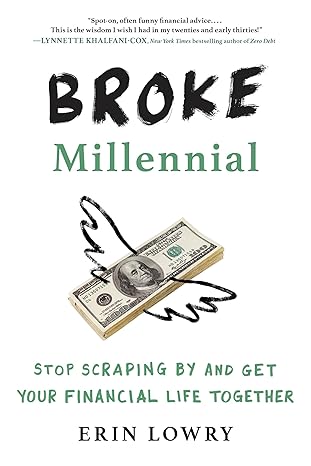
This book was the most relatable for me. It speaks directly to people who feel confused or overwhelmed by money. Erin explains credit, debt, budgeting, and investing in a clear and approachable way. It made personal finance feel accessible and helped me feel more confident about taking control of my financial future.